Learning Outcomes:
i. Define the liver and explain its role in the human body.
ii. Describe the structure of the liver, including its lobes, lobules, and hepatocytes.
iii. Explain the storage functions of the liver, including the storage of glucose, vitamins, and minerals.
iv. Discuss the metabolic functions of the liver, including carbohydrate metabolism, protein metabolism, fat metabolism, and bile production.
v. Analyze the significance of the liver in maintaining homeostasis and its role in detoxification processes.
i. The Liver: A Biochemical Powerhouse
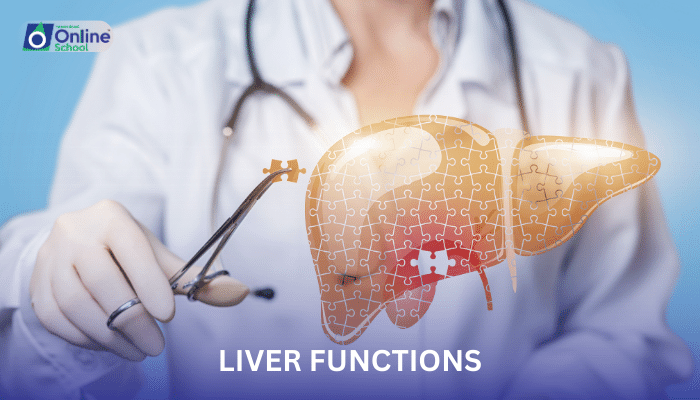
The liver, the largest solid organ in the human body, is a remarkable organ that plays a pivotal role in maintaining overall health. It is located in the upper right abdomen, beneath the diaphragm, and weighs approximately 1.5 kilograms in adults.
ii. Structure and Organization: A Microscopic Factory
The liver is divided into two main lobes, the right and left lobes, which are further divided into smaller units called lobules. Each lobule is a hexagonal structure composed of hepatocytes, the liver's primary functional cells.
Hepatocytes: Hepatocytes are responsible for the liver's diverse functions, including storage, metabolism, and detoxification. They are packed with enzymes and other proteins that catalyze various biochemical reactions.
Bile canaliculi: Bile canaliculi are tiny channels that run between hepatocytes and collect bile, a fluid produced by the liver that aids in fat digestion.
Portal triad: A portal triad is a structural unit within the lobule that consists of a portal vein, a hepatic artery, and a bile duct. The portal vein carries blood from the intestines to the liver, the hepatic artery supplies oxygenated blood, and the bile duct collects bile for transport to the gallbladder.
iii. Storage: A Warehouse of Essential Nutrients
The liver serves as a storage reservoir for various essential nutrients and substances:
Glucose: The liver stores excess glucose in the form of glycogen, a readily available energy source for the body.
Vitamins: The liver stores fat-soluble vitamins, such as vitamins A, D, E, and K, and water-soluble vitamins, such as vitamin B12.
Minerals: The liver stores minerals, such as iron, copper, and zinc.
Plasma proteins: The liver synthesizes and stores plasma proteins, including albumin, which maintains blood pressure, and clotting factors, which are essential for wound healing.
iv. Metabolism: A Biochemical Symphony
The liver is a metabolic powerhouse, performing a wide range of biochemical reactions that are crucial for maintaining homeostasis:
Carbohydrate metabolism: The liver converts excess glucose into glycogen for storage and releases it back into the bloodstream when energy is needed.
Protein metabolism: The liver breaks down amino acids from proteins and utilizes them for various purposes, such as energy production and synthesis of other molecules.
Fat metabolism: The liver synthesizes cholesterol, a component of cell membranes, and processes fats from the diet.
Bile production: The liver produces bile, a fluid that emulsifies fats, breaking them down into smaller droplets for easier digestion in the small intestine.
v. Homeostasis Guardian: Maintaining Internal Balance
The liver plays a central role in maintaining homeostasis, the body's ability to maintain a stable internal environment:
Blood glucose regulation: The liver regulates blood glucose levels by storing excess glucose and releasing it when blood sugar levels drop.
Blood clotting: The liver synthesizes clotting factors, which are essential for blood clotting and wound healing.
Waste product removal: The liver removes waste products from the blood, such as ammonia, a byproduct of protein metabolism, and bilirubin, a breakdown product of red blood cells.
vii. Detoxification: A Protective Shield
The liver acts as a detoxifying organ, protecting the body from harmful substances:
Drug metabolism: The liver breaks down and eliminates drugs and other foreign substances from the bloodstream.
Alcohol metabolism: The liver metabolizes alcohol into harmless byproducts.
Nutrient waste removal: The liver removes excess nutrients, such as vitamins A and D, from the blood to prevent toxicity.
The liver is a remarkable organ that plays a multifaceted role in maintaining overall health. Its storage functions ensure a steady supply of essential nutrients, while its metabolic functions keep the body's internal environment in balance. The liver's detoxification processes protect the body from harmful substances, making it a crucial component of the human body's defense system. Understanding the physiology of the liver provides valuable insights into human health and the importance of maintaining a healthy lifestyle.
